Exploring El Cielo in Cozumel is a unique underwater experience that attracts many snorkeling enthusiasts each year. Located on the protected coast of the Riviera Maya, this site enchants with the clarity of its waters and the exceptional beauty of its marine ecosystem. Understanding the required swimming level to venture calmly into this natural sanctuary is essential, both for aquatic safety and to fully enjoy this immersion. Whether you are a novice swimmer or a seasoned marine landscape explorer, adapting your swimming endurance to the site’s specificities remains a key for a successful adventure.
In brief:
- El Cielo is a snorkeling site accessible to swimmers with basic swimming skills, thanks to its shallow and calm waters.
- Swimming endurance is recommended to fully enjoy long underwater walks and interactions with marine wildlife.
- Aquatic safety requires a good knowledge of buoyancy and breathing techniques to stay comfortable.
- Having appropriate equipment and reef-friendly sun protection is crucial.
- Professional guide accompaniment is advised, especially for beginners or during private excursions.
El Cielo in Cozumel: characteristics and accessibility for swimmers
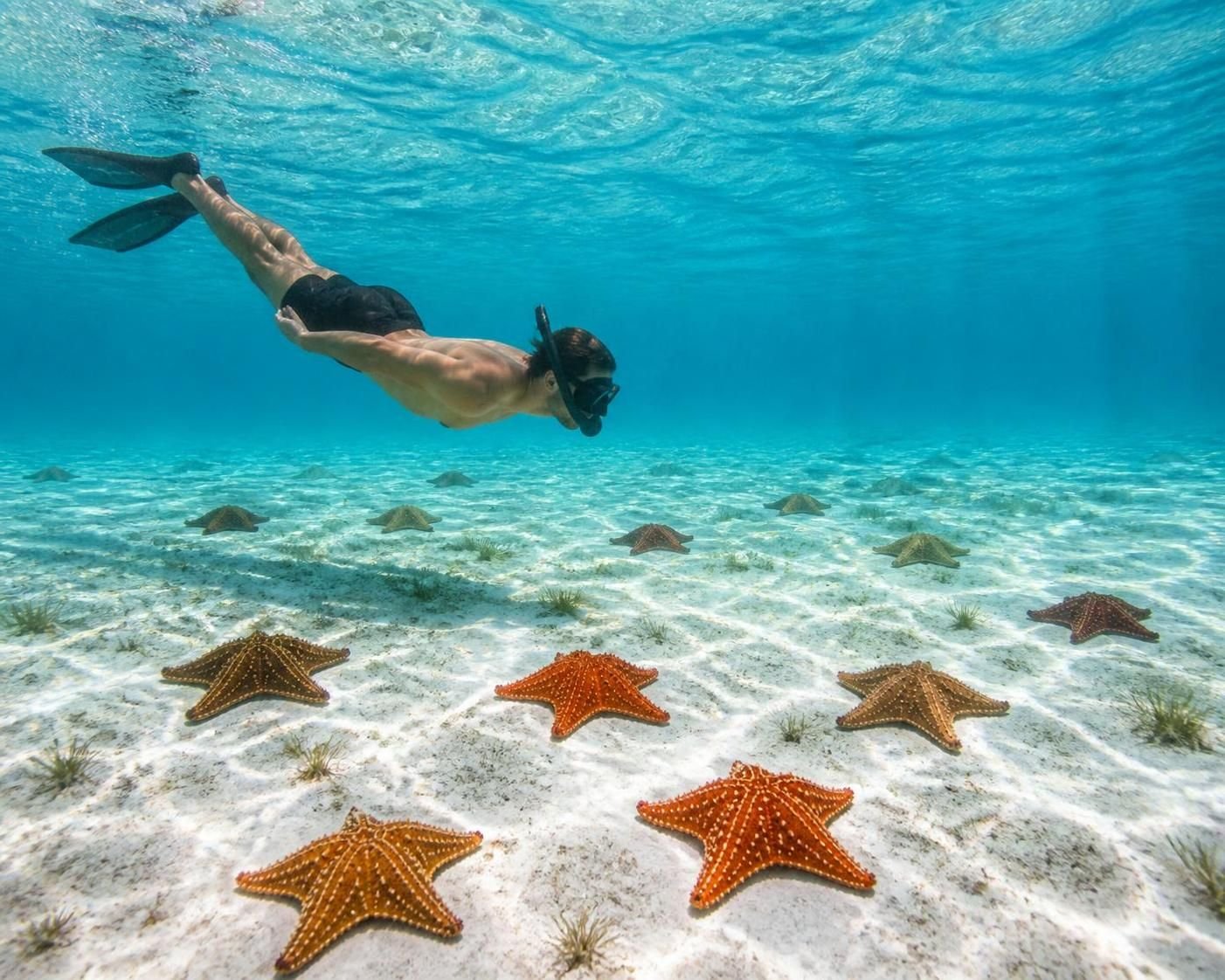
El Cielo, this marine plateau spreading at shallow depths (about 2 to 4 meters), owes its reputation to its bright white sandy bottom, dotted with countless starfish. This area, protected from strong currents by the unique geography of Cozumel Island, offers exceptional visibility – often beyond 30 meters. Such an environment guarantees snorkeling that is both spectacular and safe, suitable for a wide range of swimming levels.
Unlike traditional diving sites where advanced experience or excellent swimming skills are required, El Cielo stands out for its mild conditions that relax the need for technical mastery. That said, knowing how to swim remains an essential skill. The site remains a natural environment where managing one’s effort, surface buoyancy, and maintaining good controlled breathing are the foundations of any successful exploration.
The topography of the site is not a steep wall but a horizontal and airy panorama inviting explorers to move slowly to observe marine life up close: eagle rays, green turtles, starfish, and sometimes even schools of jackfish. Therefore, the necessary swimming level resembles more a prolonged aquatic stroll than a demanding sporting challenge.
However, guides often emphasize the importance of sufficient swimming endurance, as excursions at El Cielo can last several hours, with movements between points of interest requiring one to stay active and vigilant at all times. This endurance also helps to manage unexpected situations more easily, such as feeling fatigued or slight currents that may appear.
Aquatic safety requirements and best practices in snorkeling
In Cozumel, safety is paramount during any underwater exploration, especially in a fragile ecosystem like El Cielo. The required swimming level is not limited to the ability to swim: aquatic safety includes knowledge of equipment, behaviors to adopt in natural settings, and above all, managing one’s own breath and heart rate.
It is advised to always dive equipped with a mask, fins, snorkel, and a light wetsuit according to the temperature (often between 27 and 30 degrees Celsius). Wearing a signaling buoy (SMB) is an excellent measure to signal boats and facilitates the supervision of the group by the instructors.
El Cielo being relatively calm, the risk of dangerous currents is minimal, but one should never underestimate episodes of fatigue or hyperventilation. The swimming level must therefore include complete ease in the water, especially by regularly practicing breathing exercises and strengthening respiratory muscles.
Simple buoyancy exercises also help save energy: mastering horizontal posture, avoiding excessive leg kicking, and controlling breathing helps achieve better swimming endurance during long snorkeling sessions. These techniques are often taught by local clubs and specialized providers, thus contributing to increased respect for the marine ecosystem through gentle and respectful gestures.
Awareness of wildlife protection is also a fundamental pillar of excursions to El Cielo. It is important not to touch starfish or any other creatures, nor to collect anything. This respect combined with good aquatic safety guarantees a harmonious and sustainable experience.
How to prepare your swimming level for an optimal underwater exploration at El Cielo
Physiological preparation before discovering this incredible underwater site is a major asset. Swimming endurance can be acquired or improved even for less experienced people through regular adapted training.
Here are some practical tips:
- Training frequency: swimming two to three times a week helps quickly improve water confidence.
- Learning controlled breathing: alternating breath exercises and diaphragmatic breathing facilitate snorkeling.
- Muscle strengthening: strengthening core and leg muscles optimizes propulsion and resistance in the water.
- Dive simulations: practicing in pools with prolonged breath holds (under supervision) effectively trains the respiratory system.
- Aquatic safety training: recognizing signs of fatigue and learning to remain calm, as well as mastering emergency procedures.
Beginners, or those seeking a personalized experience, can benefit from organized excursions like those offered by local experts. These often private tours allow tailored supervision, with an experienced guide who adapts to participants’ swimming level and provides appropriate advice. To help you prepare well for your departure, this comprehensive guide on the departure point in Cozumel will be valuable to understand the organization and necessary preparations.
Specificities of the El Cielo diving site and the impact of swimming level on marine observation
The atypical layout of El Cielo, with its sandy bottom covered with starfish and shallow depth, offers a unique diving experience. The shallow depth (from 6 to 12 meters maximum) allows abundant light, making visible an impressive wildlife diversity, even for less experienced explorers.
The swimming level directly affects the quality of marine observation. Sufficient ease allows maintaining a smooth and silent movement, essential to approach without frightening the wildlife. For example, eagle rays often move in calm groups above the sand, while turtles and barracudas can be patiently observed, provided their space is respected and breathing is controlled.
Navigation in this site resembles a path among the “bommies,” these elevated coral formations that house cleaner fish, moray eels, and nurse sharks. Good swimming mastery avoids sudden moves and fast displacements that could disrupt the fragile balance of this microcosm. Swimming endurance also helps to continue exploration longer, thus ensuring discovery of several facets of the site and appreciating its richness.
| Aspect | Impact of swimming level | Recommendation |
|---|---|---|
| Shallow depth | Makes access easier but requires vigilance when moving | Master buoyancy and prevent contact with the bottom |
| Sensitive marine wildlife | Gentle movements avoid scaring species | Improve breath control and swimming fluidity |
| Duration of excursions | Requires suitable endurance to avoid fatigue | Practice swimming regularly before the trip |
To extend this discovery, feel free to inquire about other excursions in Cozumel, such as the one to Chankanaab Park, where marine nature and relaxation perfectly combine. This site also offers a variety of activities recommended to underwater explorers seeking diversity discover Chankanaab Park in Cozumel.
Practical advice and mistakes to avoid for safe snorkeling
The experience at El Cielo is enriched by rigorous preparation and knowledge of basic rules to follow. The swimming level to adopt obviously includes personal training, but also awareness of potential risks, even in a protected environment.
Here are some golden rules to remember:
- Never dive alone: prioritize outings with a guide or partner, especially if your swimming endurance is low.
- Know your limits: know when to stop the dive immediately if signs of fatigue or breathlessness appear.
- Respect the environment: do not touch starfish or walk on corals to preserve the fragile marine ecosystem.
- Use appropriate equipment: well-fitting mask, lightweight snorkel, comfortable fins, and light wetsuit mandatory against the sun and possible contacts.
- Hydration and sun protection: apply eco-friendly sunscreen and drink before and after diving.
- Stay informed about weather and sea conditions: favor calm hours, for example in the morning when eagle rays are most active.
These recommendations, guaranteed by local providers, testify to the rigor applied to preserving aquatic safety, even in this idyllic setting. These rules are essential for novices to gain confidence while discovering a fascinating underwater world.
Do I need to be a perfect swimmer to snorkel at El Cielo?
It is not necessary to be an expert swimmer, but basic swimming skills are recommended for your safety and to fully enjoy the experience.
What precautions should be taken for aquatic safety during an excursion to El Cielo?
You should always dive accompanied, use a signaling buoy, manage your breathing, and respect the environment to ensure a safe outing.
Can you do an El Cielo excursion without snorkeling experience?
Yes, El Cielo is accessible to beginners, as the water is shallow and calm, but a certain ease in the water is necessary.
What are the best times to observe eagle rays at El Cielo?
The morning, between 8 and 10 am, is ideal as eagle rays are more active and easily observable then.
How to prepare your swimming endurance before an excursion to Cozumel?
By regularly practicing swimming, strengthening breathing, and following snorkeling exercises, you will effectively increase your endurance.