In the heart of the turquoise waters that caress the Mexican shores, the island of Cozumel reveals itself as an exceptional natural jewel in terms of marine biodiversity. A popular destination for ecotourism, it offers visitors a unique panorama of a spectacularly rich coastal ecosystem. Among the underwater wonders that have made Cozumel famous, starfish, true emblems of the local marine fauna, play a fascinating role for both scuba divers and snorkelers. Discovering these marine creatures in their natural habitat, particularly at El Cielo, is an experience that attracts an ever-growing number of oceanography enthusiasts and adventurers concerned with marine conservation each year.
This comprehensive guide invites you to dive into this starry world, to grasp the subtleties of this fragile environment, and to learn how to best enjoy this aquatic paradise while respecting its delicate balance. The clear, shallow waters of El Cielo offer a prime location for observing giant starfish, those majestic five-pointed stars that rest peacefully on a bed of white sand, alongside vibrant coral reefs. Through a detailed and illustrated approach, this overview will reveal the best ways to enjoy scuba diving, snorkeling, and the other activities that contribute to the sustainable tourism potential of this region of Quintana Roo.
In short:
- El Cielo, in Cozumel, is an unmissable marine reserve where the transparency of the waters reveals exceptional marine biodiversity, including the famous five-armed starfish.
- Snorkeling is the preferred way to discover this fragile coastal ecosystem, with guidance from passionate French-speaking guides committed to marine conservation.
- Scuba diving around the nearby reefs completes the experience by offering an immersion in marine life rich in tropical fish and other iconic species.
- The visits included strict rules to protect the environment, including a ban on using certain sunscreens and touching marine wildlife.
- At the same time, Cozumel offers a range of unmissable cultural and historical activities, thus expanding the tourist experience beyond the natural setting.
El Cielo Cozumel: an exceptional immersion into the life of starfish
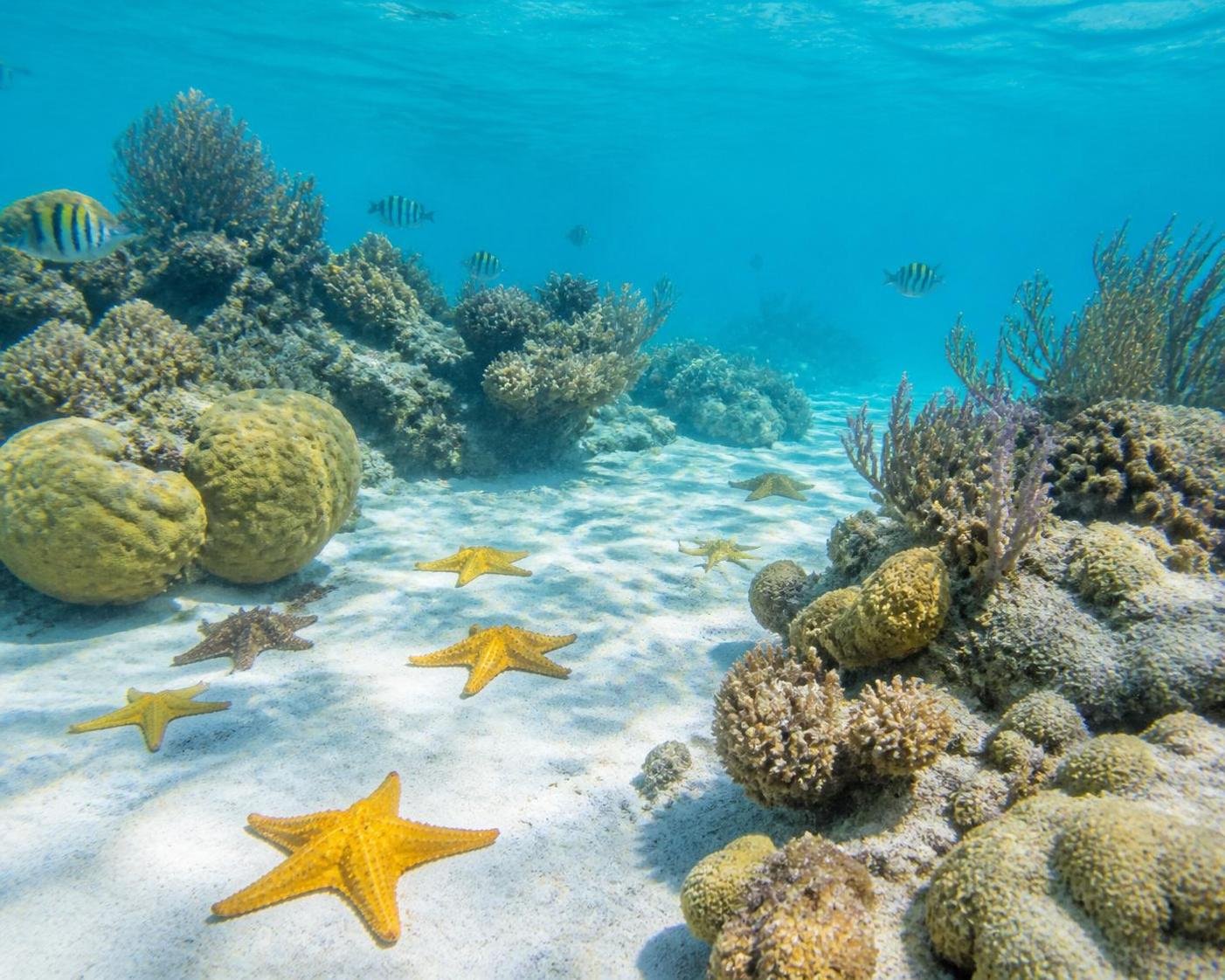
Located in the southwest of Cozumel Island, El Cielo is a stunningly beautiful natural site that owes its poetic name to the otherworldly clarity of its waters, reminiscent of a luminous sea sky. This protected area is characterized by its sandy seabed dotted with Oreaster reticulatus starfish, also known as cushion stars. This endemic, five-armed species is one of the iconic symbols of local marine biodiversity.
This location offers ideal conditions for observing and respecting the fragile coastal ecosystem. The shallow depth, generally between one and three meters, allows for safe snorkeling for all ages and experience levels. In 2026, this activity is supervised by professionals who ensure that marine wildlife is not disturbed, notably by adhering to strict conservation guidelines. For example, touching or moving a starfish can compromise its physical integrity, as these marine organisms are sensitive to the slightest handling.
The El Cielo experience isn’t just about starfish; it offers a vibrant and colorful exploration of the nearby reefs and the tropical fish that make up this ecosystem. With a local French-speaking guide, visitors gain in-depth insights into the ecological richness of this environment, its geography, and the conservation measures implemented to maintain this natural balance. Ultimately, this excursion is a perfect example of ecotourism, combining enjoyment, respect, and awareness of marine conservation—an approach I highly recommend for any visit to Cozumel.
Techniques and tips to fully enjoy snorkeling with starfish in El Cielo
Snorkeling around El Cielo is a fascinating experience that doesn’t require complex equipment, making it an accessible and popular activity. However, to get the most enjoyment while respecting the ecosystem, a few techniques and tips are essential.
Suitable equipment for a successful immersion
Basic equipment includes a mask, snorkel, fins, and a life jacket. By 2026, most organized tours offered the loan of quality equipment, disinfected after each outing. Properly fitting your mask to prevent water from entering is essential for leisurely observing the details of starfish and reefs. A life jacket can help those who are not comfortable free swimming or simply wish to float above the sand where the starfish are located, ensuring a safe experience.
Respect marine wildlife and flora
To maintain the ecological balance, it is advisable never to touch or move starfish. The extremely clear water gives the impression of being very close to marine organisms, but it is important to keep a safe distance to avoid stressing these sensitive animals. The use of sunscreen is prohibited, even biodegradable versions, as their chemical filters can damage corals, thus contributing to the deterioration of the marine environment. Opt instead for a UV-protective t-shirt to effectively protect yourself from the sun while preserving nature.
Choose the best times for an optimal stay
The dry season, from November to April, is the best time to enjoy calm waters and exceptional visibility. Fewer waves and generally calmer seas make snorkeling easier. This season also coincides with less rain, which improves the overall comfort of boat trips. Conversely, the wet season, from May to October, can see slightly more sudden downpours, but the experience remains pleasant if you choose your swimming times wisely.
Scuba diving in Cozumel: an in-depth exploration of the marine biodiversity around El Cielo
Beyond snorkeling, scuba diving is a must for enthusiasts who want to explore the marine life around Cozumel more deeply. Dive sites near El Cielo, such as Colombia Reef and Palancar Reef, offer deeper waters where you can discover a diversity of species and spectacular underwater landscapes.
During these explorations, divers observe angelfish, surgeonfish, barracudas, as well as green turtles and sometimes harmless nurse sharks, all nestled within a magnificent setting of multicolored corals. These ecosystems play a crucial role in maintaining local marine biodiversity, and diving led by PADI-certified instructors allows visitors to adopt a safe and responsible approach.
Beginners have the opportunity to try scuba diving, offering a first contact with this fascinating world in a safe environment. The instructors, experts in oceanography, readily share their knowledge, explaining the interactions between species and the challenges related to marine conservation. This activity thus becomes a truly educational and immersive adventure.
Additional activities and cultural richness on the island of Cozumel
While El Cielo is synonymous with nature and marine life, the island of Cozumel also offers a diverse array of cultural and historical experiences that complement this immersive journey. Ecotourism in Cozumel includes the fascinating exploration of Mayan ruins, notably the site of San Gervasio. This ceremonial center, dedicated to the goddess Ixchel, testifies to the island’s spiritual and cultural importance before the Spanish conquest.
For those wishing to delve deeper into their stay, a visit to El Cedral sheds light on the first Mayan settlements, offering insight into ancestral ways of life. These excursions provide a fascinating contrast between past and present, where Mexican traditions are expressed through local festivals such as the Cozumel Carnival or the Feast of San Miguel.
Furthermore, the island boasts other remarkable natural sites: Playa Palancar, renowned for its white sand and crystal-clear waters, and Punta Sur Eco Beach Park, an ecological sanctuary offering crocodile and exotic bird watching. These sites are perfect stops for lovers of marine and terrestrial wildlife or for a relaxing break outdoors. The combination of natural and cultural riches makes a trip to Cozumel absolutely unforgettable.
| Site | Description | Schedules | Approximate prices (MXN pesos) |
|---|---|---|---|
| San Gervasio | Mayan archaeological site, ceremonial center dedicated to the goddess Ixchel | 9am to 3:45pm | one hundred |
| El Cedral | Ancient Mayan settlement, site with ceremonial structure | 8am to 6pm | Free or voluntary donation |
| Palancar Playa | White sand beach, ideal for relaxation and swimming | 8am to 6pm | four hundred |
| Punta Sur Eco Beach Park | Ecological park with local wildlife, lighthouse and lagoon | 9am to 4pm (closed on Sundays) | four hundred eighty-five |
Practical tips and recommendations to prepare your visit to El Cielo, Cozumel
A successful excursion to El Cielo requires careful preparation to ensure both comfort and respect for the environment. Beforehand, it’s essential to pack light and appropriate equipment: swimsuit, towel, hat or cap, sunglasses, and especially a UV-protective t-shirt. Sunscreen, even the most eco-friendly kind, is strictly prohibited to protect the long-term health of the corals and starfish.
Bringing a waterproof camera or a GoPro is highly recommended to capture encounters with marine wildlife and the beauty of the seabed without disturbing the environment. Small bottles of water are essential to stay hydrated during outings, as the tropical climate can quickly lead to dehydration.
In terms of transportation, ferries run between Playa del Carmen and Cozumel approximately every half hour, with several companies offering discounted fares when booked online. Once there, car and scooter rentals are common for getting around the island, although taxis and colectivos (shared taxis) are simple and economical alternatives.
By choosing an organized tour with a French-speaking local guideYou will not only benefit from suitable transport and support, but also from an enriching immersion thanks to detailed explanations about marine conservation and biodiversity. This approach makes your stay as enjoyable as it is respectful of this exceptional place.
What is the best time to see starfish in Cozumel?
The dry season, from November to April, offers the best conditions for observing starfish with calm seas and excellent visibility.
Is it possible to touch starfish while diving or snorkeling?
It is strongly advised against touching or moving starfish, as they are very fragile and handling them can harm their health and the ecosystem.
What equipment is essential for a trip to El Cielo?
A mask, snorkel, fins, and a life jacket are essential. A UV-protective t-shirt is recommended to avoid using sunscreen that is harmful to coral.
Are there any additional cultural activities in Cozumel?
Yes, visits to the Mayan sites of San Gervasio and El Cedral, as well as local festivals like the Cozumel Carnival, enrich the tourist experience.
How to choose a responsible excursion in El Cielo?
Opt for tours organized by local agencies with French-speaking guides who raise awareness of marine conservation and follow good ecological practices.