The island of Cozumel, located off the east coast of Mexico in the Caribbean Sea, is world-renowned for its spectacular coral reef. A true natural gem, this reef is home to extraordinary marine biodiversity and is a prime location for scuba diving and snorkeling. In 2026, the richness of this marine ecosystem is generating renewed interest, particularly within the context of ecotourism, which seeks to preserve these aquatic treasures while offering unforgettable experiences to visitors. Thanks to conservation initiatives and increased environmental awareness, the Cozumel coral reef continues to amaze with its brilliance and unique biodiversity.
Cozumel’s renown rests not only on the beauty of its seabed but also on the diversity of species that inhabit it. Colorful corals, tropical fish, sea turtles, and even majestic rays populate these crystal-clear waters, offering a vibrant and captivating spectacle. These elements foster a balanced ecosystem, essential for the maintenance of local marine life. Furthermore, the fragility of the coral reefs necessitates rigorous management to ensure the continued existence of this natural environment, while also accommodating high-quality, respectful, and sustainable tourism.
Detailed exploration of the coral reef in Cozumel: a treasure hidden beneath the surface
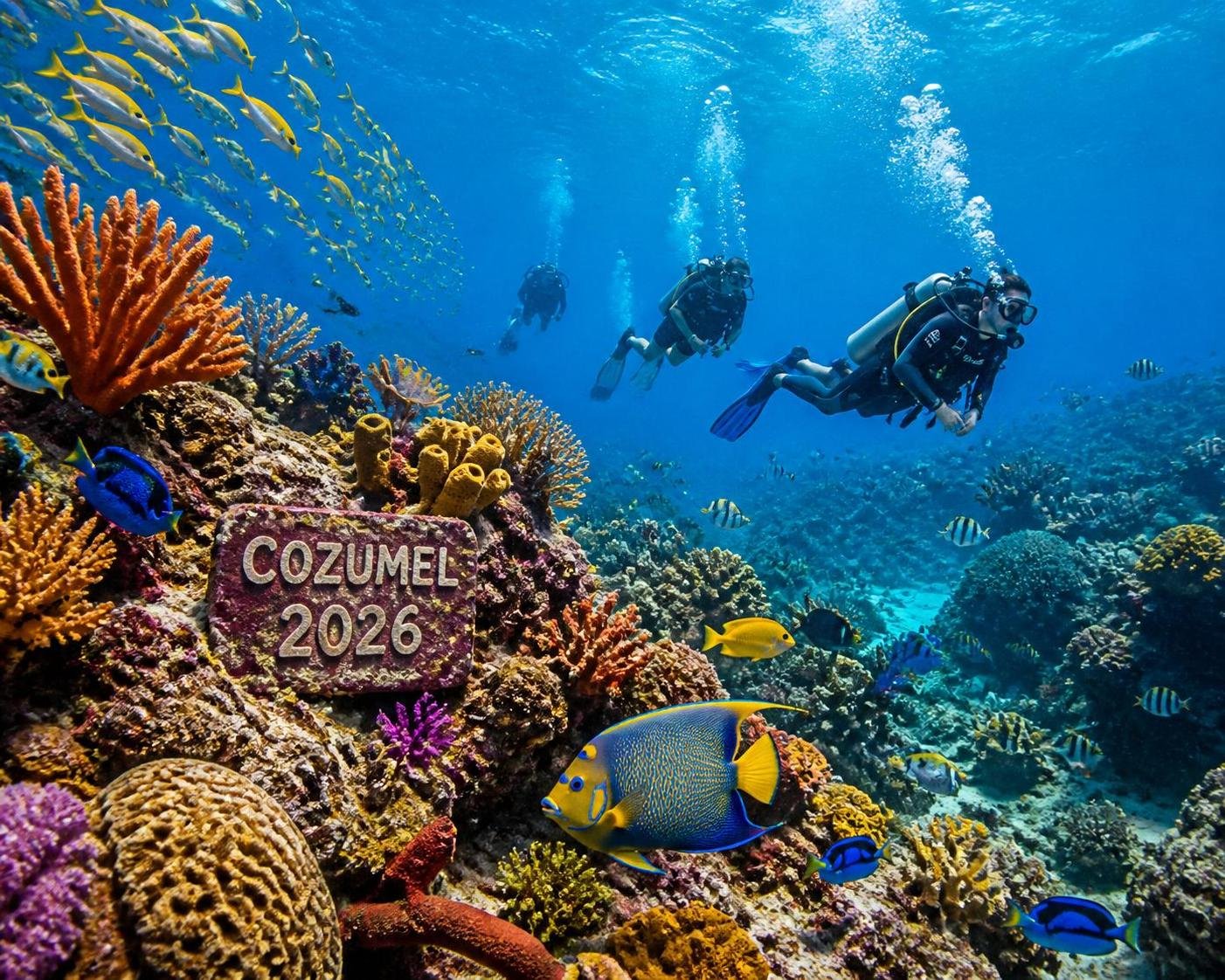
Diving in the Cozumel coral reef is to immerse oneself in an exceptionally rich underwater world, fascinating in its complexity and the abundant life that thrives there. Composed mainly of hard and soft corals, this reef stretches for more than fifty kilometers around the island, offering varied topography ranging from underwater cliffs and sandy plateaus to mysterious caves. These coral formations serve as a habitat for a large number of marine species, some of which are endemic, contributing to the reef’s international renown.
Scuba diving in Cozumel attracts enthusiasts from all over the world. Sites like Colombia Reef and Palancar National Park offer dives suitable for different levels. Everyone can observe schools of multicolored fish, giant gorgonians, and even sponges with astonishing shapes. The crystal-clear waters also make snorkeling easy and accessible to the whole family. For example, El Cielo Lagoon is particularly prized for its rare starfish, a unique natural spectacle that can be discovered on a boat trip. These experiences allow for a true immersion in marine life, while also raising awareness of the fragility of these habitats.
Furthermore, coexistence with local wildlife is an essential element of this exploration. Local dive centers strive to minimize human impact, promoting responsible practices where every diver or snorkeler is made aware of the importance of not disturbing the reef or its inhabitants. The importance of this approach is part of a broader conservation effort, crucial for the long-term survival of corals in the face of environmental threats such as bleaching and ocean pollution.
Cozumel’s marine biodiversity: a fragile balance to preserve
The marine biodiversity around Cozumel is remarkable both for its abundance and the variety of species that coexist in this reef. It boasts over 500 species of fish, hundreds of species of coral, as well as stable populations of sea turtles, eels, and several types of rays, including the famous manta ray. This natural microcosm makes the island a living laboratory for understanding the ecological dynamics of a tropical marine ecosystem.
Maintaining this biodiversity depends on several interdependent factors, including water quality and the preservation of coral habitats. Some species play key roles, such as parrotfish, whose function as coral “cleaners” contributes to the overall health of the reef. Others, like reef-building corals, provide the very structure of the reef, creating a natural shelter for numerous species. The complex interactions between these organisms contribute to a delicate ecological balance, sensitive to any disturbance.
However, this natural wealth faces several serious threats. Ocean warming causes coral bleaching events, a phenomenon where corals lose their color and become vulnerable. Overfishing, unregulated tourism, and pollution exacerbate the situation. To address these challenges, conservation programs have been implemented. For example, the establishment of marine protected areas around the island limits destructive activities and promotes the natural regeneration of corals and marine life. These efforts are also reinforced by awareness campaigns targeting visitors and local communities.
These measures allow us to maintain hope for the preservation of a biodiversity that is as rich as it is fragile, which is essential for the maintenance of sustainable ecotourism in Cozumel.
Ecotourism in Cozumel: a sustainable model combining discovery and protection
Tourism on the island of Cozumel has evolved to favor ecotourism, promoting the responsible discovery of underwater wonders. This model aims to combine enjoyment, underwater exploration, and respect for the environment. It relies on regulated practices that minimize human impact while guaranteeing an authentic and enriching experience for visitors.
One of the fundamental aspects of ecotourism in Cozumel is the strict limitation of diving and snorkeling groups at sensitive sites. Many local operators collaborate with the authorities to establish quotas, ensuring that visitor numbers do not exceed the carrying capacity of the environment. This prevents coral degradation and limits stress on marine life. Furthermore, the equipment used meets environmental standards, such as clean air tanks and biodegradable sunscreens.
A thorough awareness session is also held before each sea excursion. The guides explain the rules to follow, such as not touching the coral, avoiding feeding the fish, and taking photographs without disturbing them. These guidelines promote a respectful experience and contribute to the conservation of the reef by preserving marine life. This philosophy extends to local communities, where ecotourism generates a sustainable source of income, encouraging the protection rather than the overexploitation of natural resources.
Finally, Cozumel offers a wide range of activities incorporating ecotourism, from snorkeling in the Colombia Reef to visiting El Cielo Lagoon, famous for its starfish. These excursions become genuine moments of learning and wonder, where the richness of the coral reef is highlighted while respecting its integrity.
Must-do activities for enjoying scuba diving and snorkeling in Cozumel
The diversity of activities related to exploring the underwater world in Cozumel is a major draw for visitors to the island. Whether for experienced divers or families wanting to go snorkeling, this site offers a wide range of options for easily exploring the coral reef while adapting the experience to everyone’s desires and skill levels.
Scuba diving is a must, with legendary sites like Palancar, Dzul Ha, and Punta Sur boasting crystal-clear waters and exceptional visibility. These sites offer the chance to admire impressive coral formations, caves and tunnels, as well as abundant marine life. Divers may encounter turtles, barracudas, and fascinating little creatures hidden in the reef’s nooks and crannies.
For a beginner or a gentler introduction, snorkeling is an accessible and enjoyable activity. The nature reserve and shallow areas like El Cielo Lagoon make it easy to observe marine life without any special skills. It’s even possible to discover underwater paradises where starfish form an exceptional backdrop, ideal for amateur photographers or families.
In addition, some excursions offer boat trips tailored to groups and include swimming breaks in protected areas. These trips offer a unique perspective on the marine ecosystem around Cozumel and allow you to combine relaxation with active exploration. For children, snorkeling is supervised to ensure safety and enjoyment, making it an essential family activity in Cozumel.
- Major dive sites: Palancar, Columbia, Punta Sur
- Lagoons and calm areas for snorkeling: El Cielo, Colombia
- Guided excursions combining ecotourism and learning about marine life
- Framework for activities to preserve the ecological balance
- Specific activities adapted for children and beginners
| Activity | Main site | Features | Required level |
|---|---|---|---|
| Scuba diving | Palancar | Spectacular corals, underwater caves, abundant marine life | Intermediate to expert |
| Snorkeling | El Cielo Lagoon | Shallow waters, starfish, exceptional visibility | Beginner |
| Boat trip | East coast of Cozumel | Observation and discovery of the marine ecosystem from the surface | Open to all |
To deepen the experience, it is recommended to visit El Cielo lagoon and its unique starfishA must-see in Cozumel, this excursion perfectly illustrates the richness and diversity of the local coral reef. It offers a deep dive into the island’s natural beauty, revealing the symbiosis between marine life and protected ecosystems.
Commitments and concrete actions for the conservation of the coral reef in Cozumel
For several decades, the protection of the Cozumel coral reef has been a central concern at the local, regional, and international levels. By 2026, the combined efforts of the scientific community, authorities, and ecotourism stakeholders demonstrate the importance of integrated management to safeguard this unique ecosystem.
A key component of this approach is the continuous monitoring of reef health through regular scientific studies. This research assesses the consequences of climate change, the impact of human activities, and identifies areas where biodiversity is most at risk. Coral analysis allows researchers to track the progression of bleaching and intervene quickly.
Furthermore, coral restoration programs are being implemented, relying on innovative techniques such as the transplantation of corals grown in underwater nurseries. These initiatives contribute to the restoration of degraded areas, helping nature to regenerate. Simultaneously, educational campaigns target visitors and residents, emphasizing the crucial role everyone plays in preserving marine life.
The local economy also relies on these actions, as a healthy reef is a sustainable resource that supports ecotourism. Training for guides and tour operators now includes modules on conservation awareness. Visitors thus benefit from a better understanding of environmental issues while actively enjoying underwater exploration and snorkeling.
The success of these commitments depends on collective action and a willingness to respect the natural balance. It is also an opportunity to showcase the rich cultural heritage of Cozumel, where local traditions coexist harmoniously with environmental protection. The future of the reef rests primarily on a sustainable approach that integrates science, tourism, and community involvement.
When is the best time to explore the coral reef in Cozumel?
The best time to visit is from December to April, when weather conditions are optimal with calm seas and excellent visibility. However, the reef is accessible year-round with suitable experiences.
What precautions should be taken when snorkeling in Cozumel?
It is essential to respect the reef by avoiding touching the corals or marine life, using biodegradable sunscreen, and following the guides’ instructions to minimize the impact on the marine ecosystem.
Is the coral reef in Cozumel threatened by climate change?
Yes, warming waters are causing coral bleaching and threatening their survival. However, conservation efforts are in place to protect and restore the reef despite these challenges.
Is it possible to visit El Cielo lagoon during a day trip to Cozumel?
Absolutely, El Cielo Lagoon is a popular destination accessible via boat excursions, offering a unique discovery of starfish and marine life in a protected setting.