The hurricane season in Mexico draws particular attention due to its frequency and potential impact on heavily frequented coastal regions, notably the Riviera Maya and the island of Cozumel. Each year, this Caribbean country faces major meteorological challenges due to the formation of tropical cyclones that can evolve into powerful hurricanes. In 2026, forecasts indicate a particularly active season, where preparation and protective measures prove indispensable to ensure the safety of local populations and the many tourists who flock to this Caribbean paradise. In this context, understanding how the hurricane season works, identifying the most vulnerable areas, and adopting appropriate behaviors can make the difference between a disrupted experience and a well-orchestrated evacuation.
Beyond mere statistics, this period is marked by climatic complexity intensified by El Niño and La Niña phenomena, which influence the formation and trajectory of storms. Mexican authorities have strengthened their early warning systems, optimized their evacuation protocols, and renewed information campaigns to better protect residents and visitors. For excursion enthusiasts or vacationers planning a snorkeling discovery in the turquoise waters of Cozumel, staying informed about weather forecasts and the risks associated with the hurricane season is an essential precaution. Discover in this article everything you need to know about this period, the key steps for effective preparation, and the essential tips to balance safety and enjoyment during your stay in Mexico.
In brief :
- The official hurricane season in Mexico begins in May on the Pacific and in June on the Atlantic, stretching through to the end of November.
- Forecasts for 2026 anticipate between 29 and 39 tropical systems, with about five cyclones likely to directly impact the Mexican coasts.
- The most exposed regions include Baja California Sur, Guerrero, and the Yucatán Peninsula, including Cozumel and the Riviera Maya.
- El Niño and La Niña climate phenomena play a major role in the intensity and frequency of hurricanes.
- Modern alert devices and strengthened evacuation plans are in place to improve the protection of populations.
- Adopting a proactive approach to personal preparation and following official guidance are essential to guarantee your safety.
Understanding the hurricane season in Mexico: dates, risks, and climatic dynamics
The hurricane season in Mexico generally runs from mid-May to the end of November on the Pacific coast, while on the Atlantic coast, including the Gulf of Mexico and the Caribbean Sea, it officially begins in early June and also ends in late November. This stable calendar allows authorities and local populations to prepare annually; however, vigilance remains constant. The period of greatest risk corresponds to the months of August to October, when sea temperatures are highest and the atmosphere is conducive to the formation of intense cyclones. In 2026, forecasts established by the National Meteorological Service (SMN) show a number of tropical systems above the historical average, with activity particularly increased in the Pacific and Atlantic basins.
Behind these figures, the formation of a hurricane results from a complex mix of climatic factors. Warm ocean waters play a key role, with temperatures above 27°C providing favorable conditions for storm intensification. The trade winds, blowing from east to west, promote the movement of tropical waves toward the Mexican coasts. This movement is also influenced by the Coriolis effect, which deflects these winds to the north, thus frequently driving these phenomena toward the shores of the Yucatán Peninsula, Gulf states, or the Pacific coast. Thus, oceanic and atmospheric factors interact to give rise to these violent weather events.
El Niño and La Niña phenomena, cyclical manifestations of variations in sea surface temperature in the Pacific, influence the intensity and frequency of hurricanes. In 2026, the shift toward an El Niño scenario corresponds to more intense cyclone activity on the Pacific coast, while the Atlantic could see a slight decrease in the number of storms. Nevertheless, risks remain significant. These fluctuating conditions require constant updates of forecasts, becoming a crucial tool for planning prevention measures and evacuation strategies, especially in tourist and coastal areas such as Cozumel.
Cozumel’s climatic features highlight the need for a thorough understanding of weather conditions during the hurricane season. This island, popular for its beaches and water activities, is a strategic point for both tourism and civil protection, which must anticipate each phenomenon from its early signs in order to guarantee optimal safety.
The zones most exposed to hurricane risk: focus on the Riviera Maya and Cozumel
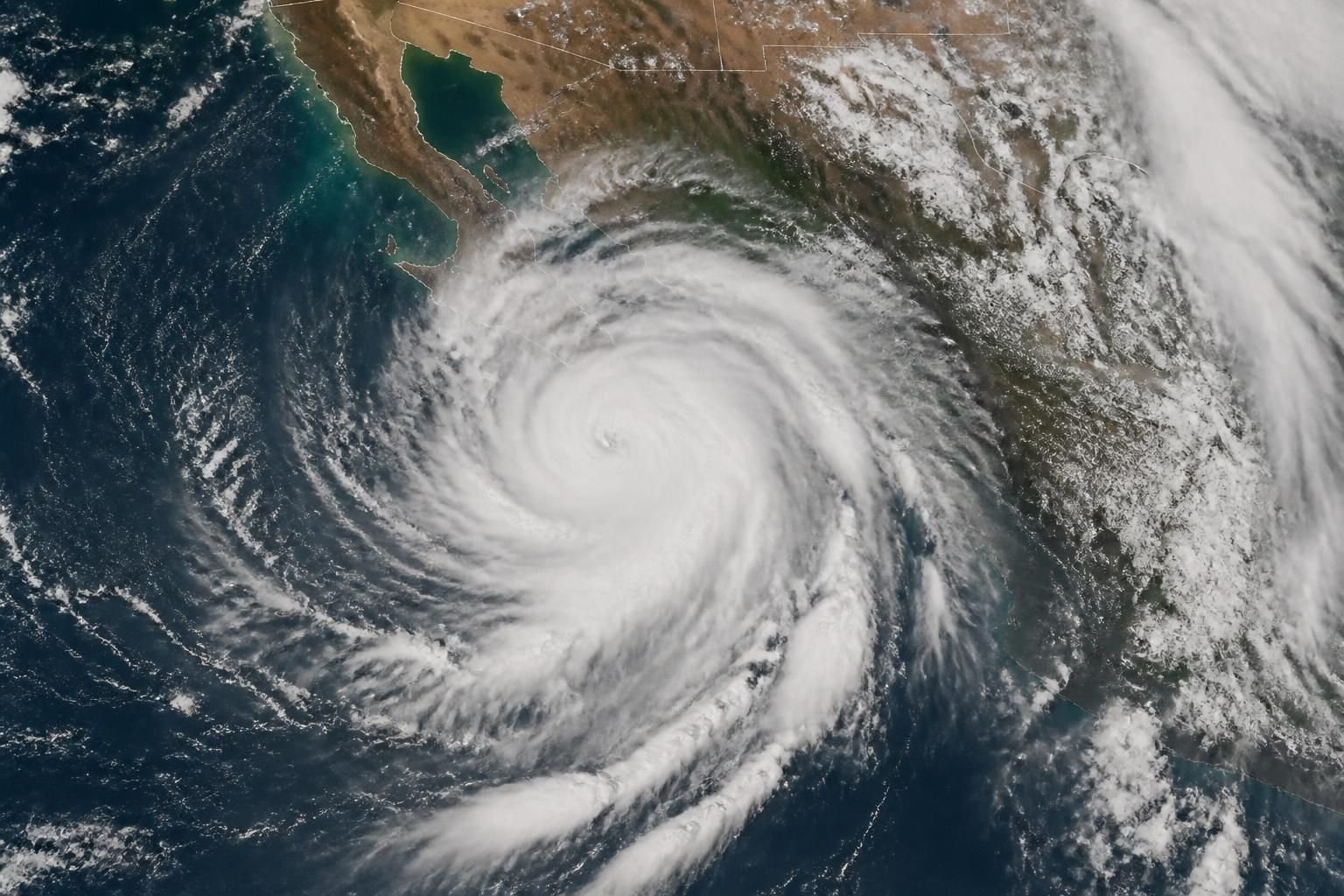
The Mexican coasts are not uniformly exposed to hurricane-related risks. The Gulf of Mexico coastline, the Caribbean Sea, as well as the Pacific coast are regularly subjected to threats of tropical storms and destructive hurricanes. On the Pacific coast, the states of Baja California Sur and Guerrero are particularly watched due to their history of notable cyclone impacts. On the Atlantic, the Yucatán Peninsula concentrates high vulnerability, notably with the states of Quintana Roo, Yucatán, Veracruz and Tamaulipas.
The island of Cozumel, close to the Riviera Maya, is often in the path of hurricanes. This situation demands increased preparation of tourist infrastructures, residents, but also vacationers. The sustained tourist development and the density of sea activities amplify the potential consequences of storms, whether it be power outages, temporary beach access closures, or excursion cancellations. Understanding this exposure invites better anticipation and to equip accordingly.
For example, during the 2018 season, Hurricane Wilma left a deep mark on the Yucatán Peninsula, devastating tourist areas and forcing massive evacuation procedures on the island. Following official instructions, knowing the locations of temporary shelters and respecting emergency protocols are essential elements. For those planning activities such as snorkeling, it is useful to consult specialized guides on the region, such as the best snorkeling spot in Cozumel which also offers weather and safety tips during storm periods.
In these high-risk areas, awareness of civil protection is a major lever. The authorities have strengthened alert protocols via SMS, public announcements and dissemination on social networks to ensure fast and effective communication. For tourists, it is crucial to integrate this information upon arrival to better prepare for a possible evacuation or adaptation of travel plans.
Weather forecasts and technological tools to anticipate the cyclone threat
The quality of weather forecasts lies at the heart of risk management related to the hurricane season in Mexico. The National Meteorological Service collaborates closely with various international agencies to provide precise, real-time data on the formation, movement, and intensification of tropical cyclones. This information directly informs civil protection decisions and communications to the public.
Technological innovation plays an increasing role in these anticipatory capabilities. In 2026, a pilot system of alert via mobile phone is being rolled out in certain coastal regions. This device allows sending immediate notifications to subscribers, broadcasting specific alerts on hurricane risks, the instructions to follow, or the recommended evacuation routes. Such an approach aims to increase responsiveness and safety while limiting the spread of erroneous or alarmist information often found on social networks.
Numerical forecast models benefit from high-resolution satellite data, ocean buoys, and advanced radar devices. Thanks to these technologies, the trajectory, speed, and category of hurricanes can be estimated with unprecedented precision, allowing emergency measures to be adapted as the storm approaches. This monitoring is crucial, especially for tourist areas where evacuation logistics must be finely planned to protect both resident populations and visitors.
For further exploring this topic, do not hesitate to watch this explanatory video on modern alert systems designed to improve safety in the presence of hurricanes :
Additionally, understanding the names assigned to cyclones helps to follow their evolution more easily. The World Meteorological Organization uses predefined lists that alternate between the Pacific and Atlantic basins; names such as Amanda, Boris, or Arthur will be used for storms this season. Providing the information in this format facilitates communication between authorities, the media, and the general public.
Essential measures for personal and collective preparation in the face of hurricanes
Facing the cyclone season, preparation is not only the responsibility of authorities. Every individual residing or staying in Mexico must adopt simple yet essential reflexes. Building a survival kit including drinking water, non-perishable foods, flashlights, and essential medications is a fundamental step. This preparation can prove vital during power outages or isolation caused by bad weather.
It is also important to define a family evacuation plan, taking into account information provided by local authorities and Civil Protection. Knowing the gathering points, available shelters, and preferred routes helps prevent panic and improves stress management at the moment of the alert. Rigorously following public instructions, staying attentive to weather advice, and exercising caution when moving are all attitudes that reinforce collective safety.
For tourists, adjusting planned activities, such as snorkeling excursions in Cozumel, according to the weather is imperative. In case of an alert, canceling sea outings and avoiding exposing beaches to flood risks contributes not only to your own safety but also to that of rescue teams involved. Online resources such as the must-do activities in Cozumel provide information on possible alternatives in case of unfavorable weather conditions.
- Assemble an emergency kit with provisions and independent power equipment
- Keep regularly informed via the bulletins of the National Meteorological Service
- Respect local evacuation protocols and follow the recommended routes
- Avoid risk areas such as beaches, rivers, or low-lying zones during alerts
- Inform and share reliable information within your family or tourist group
Hotel facilities and tourist centers have also increased their protective measures, anticipating the disruptions the hurricane season can cause. By choosing an all-inclusive resort in Cozumel, visitors benefit from a secure setting, with teams trained in managing climate emergencies and resources adapted to guarantee a comfortable stay under all circumstances.
Notable examples and lessons from previous tropical cyclone seasons in Mexico
To better grasp the stakes of the hurricane season, it is useful to revisit some significant episodes that struck Mexico in recent years. In 2015, Hurricane Patricia remained etched in memory as one of the most intense ever recorded in the Western Hemisphere, with winds exceeding 300 km/h at its peak. It struck the Pacific coast, notably the state of Jalisco, triggering preventive evacuations and mobilizing aid to limit the extent of the damage.
Another notable event is Hurricane Wilma, which in 2018 severely impacted the Yucatán and Cozumel, disrupting the tourism sector for a long time. This major hurricane demonstrated the importance of rigorous forethought. Since these events, the improvement of alert systems and civil protection has helped strengthen confidence in crisis management and ensure better coordination with local activity providers.
They also note that even though the hurricane season may seem threatening, it should not deter you from fully enjoying Mexico’s cultural and natural riches. Indeed, safe excursions remain possible by following weather recommendations and choosing less exposed periods. Find more information to properly organize your stay by consulting our complete snorkeling guide to the Mexican Caribbean which includes safety aspects in case of cyclone season.
| Hurricane/Storm | Date | Region impacted | Category | Main consequences |
|---|---|---|---|---|
| Wilma | 23 October 2018 | Yucatán, Quintana Roo, Cozumel | 3 (Saffir-Simpson scale) | Massive damage, evacuations, tourist closures |
| Patricia | 23 October 2015 | Pacific Coast, Jalisco | 5 (most intense ever recorded) | Extreme winds, preventive evacuations |
| Agatha | 30 May 2022 | Pacific Coast, Oaxaca | 2 | Heavy rains, local flooding |
| Vicente (Storm) | 23 October 2018 | Guerrero | Tropical storm | Sustained winds, regional disruptions |
These episodes remind us that vigilance and preparation are the best allies to get through the hurricane season without major damage. They also emphasize the need for travelers to plan their stay with flexibility, integrating climate risks into their itinerary and activities.
When does the hurricane season start in Mexico?
It officially begins on May 15 on the Pacific coast and on June 1 on the Atlantic coast, generally ending on November 30.
Which Mexican states are most exposed to hurricanes?
The states of Quintana Roo and Yucatán on the Yucatán Peninsula, Guerrero, Baja California Sur, Veracruz and Tamaulipas are particularly vulnerable.
How to stay informed during the hurricane season?
It is advisable to regularly follow the bulletins of the National Meteorological Service, the official alerts, and to use the mobile alert applications in place.
How to prepare effectively for the hurricane season?
Assemble a survival kit, know the evacuation plans, follow safety instructions, and adapt your travel plans—these are essential actions.
Should the hurricane season prevent travel to Mexico?
No, with good preparation, compliance with alerts, and flexibility in activities, it is entirely possible to enjoy Mexico safely.