Marvel at the exceptional richness and diversity of the El Cielo Nature Reserve, a biodiversity sanctuary nestled in the heart of Mexico’s Sierra Madre Oriental. This protected area, a true ecological gem, offers a captivating panorama where rainforests, cloud forests, and mountain formations coexist, sheltering rare flora and fauna. Each trail reveals multiple ecosystems, teeming with unique species listed as World Heritage. More than just a tourist destination, El Cielo is an invitation to authentic discovery, where conservation and ecotourism intertwine harmoniously to preserve this pristine natural treasure. From majestic waterfalls and crystal-clear lagoons to the privileged opportunity to observe jaguars and encounters with impressive birdlife, this reserve is a true paradise for nature and adventure lovers. And for those who also marvel underwater, explore the marine wildlife up to the spectacular glass-bottom boat excursion in Cozumel, an ideal complement to your dive in this preserved world.
In short:
- El Cielo is the largest protected nature reserve in northeastern Mexico, covering more than 144,000 hectares.
- The diversity of climates creates a mosaic of unique ecosystems, home to wildlife including jaguars, black bears and ocelots.
- A variety of activities are offered: hiking, cycling, climbing, bird watching and cave exploration.
- Responsible tourism is encouraged there through local guides, ensuring the protection of nature and raising awareness among visitors.
- Extending your exploration of Cozumel with glass-bottom boat excursions and snorkeling allows you to discover another remarkable aspect of the region’s biodiversity.
Exploring the exceptional ecosystems of the El Cielo Nature Reserve
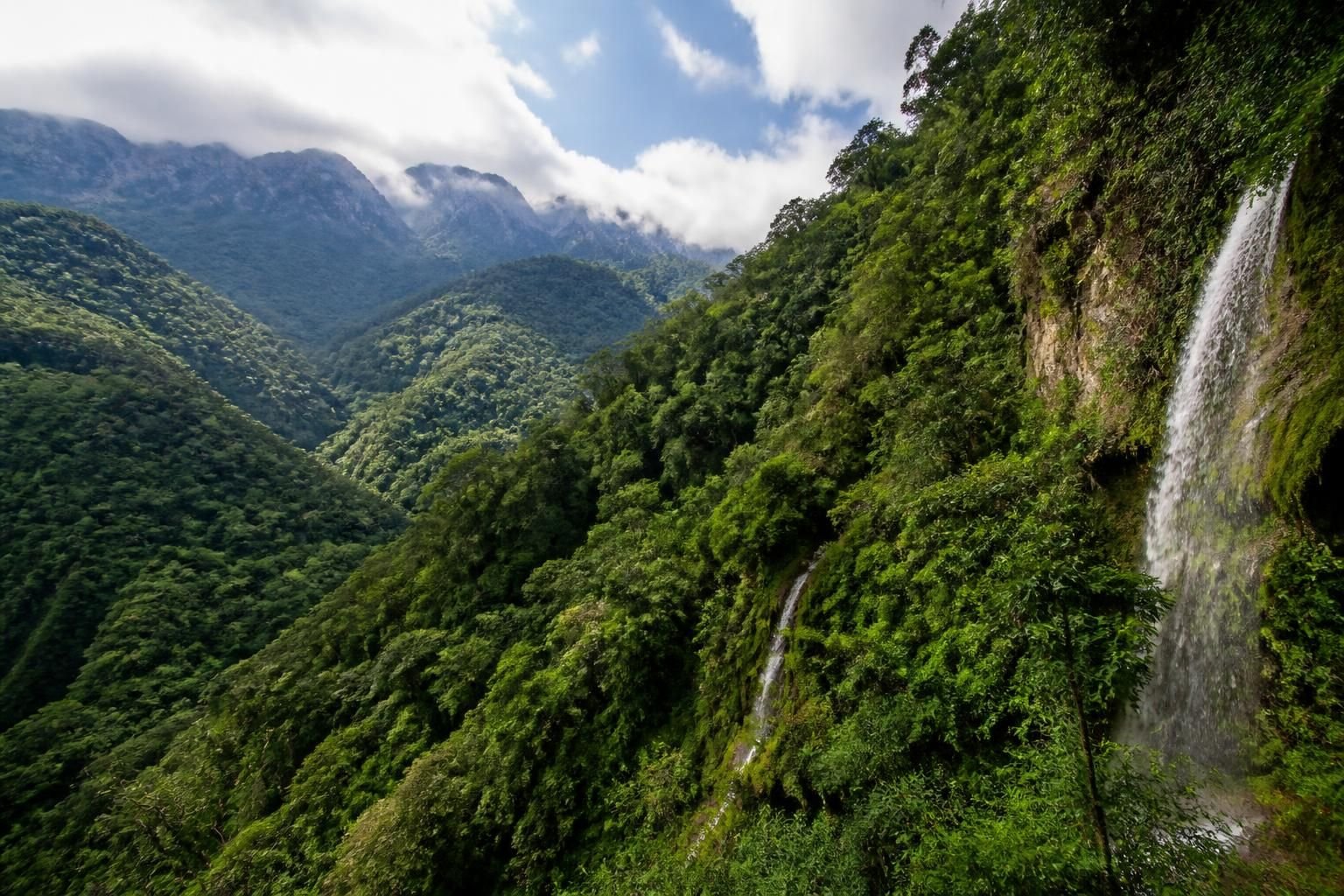
The El Cielo Nature Reserve, located in the Sierra Madre Oriental, is distinguished by the exceptional variety of its ecosystems, a result of its altitude ranging from 200 to 2,300 meters. This altitudinal gradation creates a succession of landscapes and habitats, from tropical rainforests to cloud forests, including pine-oak forests. This climatic diversity fosters an environment conducive to abundant flora and fauna, specific to each ecosystem.
In the heart of the rainforest, visitors can stroll among majestic tropical trees, bathed in a humid atmosphere where vegetation thrives. Suddenly, the landscape transforms into a cloud forest, characterized by dense vegetation covered in mosses, lichens, and bromeliads—a symbol of pristine biodiversity. The presence of natural waterfalls and crystal-clear lagoons further enhances the richness of these environments. These freshwater formations provide refuge for a diverse range of animal and plant species.
Venturing higher, the pine-oak forest offers a striking contrast to the lower ecosystems. These cooler, drier areas are home to hardy species adapted to the specific conditions, contributing to the site’s floral diversity. The protection of this unique ecosystem reflects the importance placed on conserving natural heritage in Mexico.
Among the floral abundance, endemic species such as wild tulips dot the paths, inviting contemplation. The varied microclimate plays a fundamental role in perpetuating this diversity, allowing each ecosystem to thrive according to its specific characteristics.
The experience in the reserve varies depending on the chosen mode of exploration—on foot, by bicycle, on horseback, or in an all-terrain vehicle—offering each visitor a tailored immersion. For example, hiking allows access to remote areas and the opportunity to observe birdsong in near-mystical silence, while horseback riding offers a more intimate connection with nature, ideal for those who prefer a gentler adventure.
This ecological mosaic makes El Cielo a prime location for scientists who come to study the multiple interactions between organisms and natural environments, placing the reserve on the international stage for environmental research. This scientific context ensures the sustainable management and long-term protection of this exceptional territory.
Amazing wildlife: a living ecosystem made up of predators and small biological treasures
El Cielo is renowned not only for its flora but also for the breathtaking diversity of its fauna. This Mexican nature reserve is home to an impressive number of species, ranging from small, colorful insects to renowned large predators. The enduring presence of jaguars, ocelots, and pumas testifies to a balanced ecosystem where the food chain renews itself with the changing seasons.
The reserve’s rigorous conservation provides a safe habitat for these elusive felines, essential to local biodiversity. These predators are often indicators of a healthy territory, as their survival depends on stable populations of diverse prey, such as deer, martuchas, and small mammals. Black bears, for their part, complete this faunal picture by occupying specific ecological niches.
Beyond these large animals, the reserve is a must-see for birdwatchers: more than 430 bird species have been recorded there. This impressive number makes El Cielo a true paradise for observing migratory and resident birds. Brimstone falcons, woodpeckers, and birds of prey share the space with rare tropical species, revealing a colorful diversity in a peaceful setting. Each season brings its own migrations, offering various observation opportunities throughout the year.
The caves and bodies of water are also home to other fascinating species, such as certain varieties of fish and amphibians adapted to these unusual environments. For example, the Water Cave, a famous site in the reserve, shelters troglobitic creatures lacking eyes and pigmentation, demonstrating a remarkable evolutionary adaptation.
The active involvement of local communities in conservation strengthens the sustainability of this biodiversity. Through their traditional agricultural practices and ecological initiatives, they contribute to supporting wildlife, helping to protect these vulnerable species while enhancing their natural heritage.
Ecotourism activities for a responsible immersion in the heart of El Cielo
The El Cielo Nature Reserve has become a must-see destination for ecotourism enthusiasts and those seeking authentic experiences. This approach to tourism emphasizes nature conservation while offering enriching experiences tailored to all levels of experience. Collaboration with local French-speaking guides ensures optimal respect for the environment and provides invaluable insights into the area’s biological and cultural characteristics.
Excursions often begin in the villages of Alta Cima or San José, strategic points for exploring the surrounding nature. Visitors have several options, from easy walks to more challenging hikes. Marked trails allow you to admire spectacular waterfalls, dense forests, and breathtaking panoramas. Mountain biking is also a popular way to discover the landscapes while combining exertion and enjoyment.
For those who enjoy more intense activities, rock climbing, rappelling, or kayaking in the rivers offer stimulating challenges, complemented by exploring the charming valleys and local wildlife. Themed tours dedicated to birdwatching and nature photography are regularly offered, allowing visitors to capture the unique beauty of El Cielo without disturbing its fragile balance.
A unique experience is also available through marine excursions in Cozumel, by glass-bottom boat or snorkeling, which extend the immersion into another world of remarkable marine biodiversity. These maritime activities offer the opportunity to admire colorful tropical fish, stingrays, and exceptional starfish, such as those found at Starfish Point, a natural site not to be missed for any lover of underwater life.
These guided and responsible adventures are fully in line with a logic of protecting nature and promoting local natural heritage, thus developing sustainable tourism where each visitor becomes an actor in conservation.
Accommodation options for an extended and authentic experience in El Cielo
To fully enjoy the El Cielo Nature Reserve, it’s essential to choose accommodation located nearby, allowing for total immersion in this exceptional setting. Around the town of Gómez Farías, you’ll find comfortable hotels, ideal for travelers wishing to combine comfort and nature.
Those who prefer a more rustic experience can opt for the picturesque lodges and cabins of Alta Cima and San José, often nestled deep in the forest. These authentic accommodations offer a warm atmosphere, perfect for relaxing after a day of exploring. Some even provide direct access to the trails for early morning hikes, maximizing the chances of spotting wildlife in action.
These rustic accommodations are often run by local families, providing an enriching human experience. They also support the local economy, a key element in the dynamics of nature conservation and protection.
The tourist infrastructure, well integrated into the landscape, strictly adheres to current environmental standards, thus minimizing its environmental footprint. It promotes waste sorting, the use of renewable energy, and raises awareness among guests about the importance of preserving this natural gem.
Staying in this environment also allows you to enjoy nighttime activities, such as stargazing in an incredibly clear sky, from which the reserve takes its name. These timeless moments reinforce the deep connection between humans and nature, a rare experience today.
The protection and enhancement of El Cielo: a vital issue for Mexico and the world
Declared a biosphere reserve by UNESCO in 1987, El Cielo enjoys extensive protection, further enhanced since 1985 by official recognition from the State of Tamaulipas. This dual recognition has solidified its position as one of Mexico’s most precious ecological sites and a global model for biodiversity conservation.
This multifaceted territory is not only a refuge for a myriad of species but also a vital ecological corridor linking fragmented habitats. This role is crucial for migratory birds, for whom El Cielo is a strategic stopover in their long annual journeys.
Participatory management, bringing together authorities, scientists, and local populations, allows for the development of appropriate and sustainable strategies to address environmental threats. This partnership helps preserve natural heritage while respecting ancestral knowledge related to agriculture and the traditional use of resources.
It is essential that tourism continues to operate within this responsible framework to ensure the long-term preservation of the reserve’s rich ecosystem. Every visitor must be aware of their impact and act as a true guardian of the site. Awareness campaigns and knowledgeable guides facilitate the transmission of this environmental ethic.
| Aspect of the Reserve | Features | Importance for Conservation |
|---|---|---|
| Surface | 144,000+ hectares | Large area protecting diverse ecosystems |
| Ecosystems | Tropical, cloud, pine-oak forests | Diversity allowing the survival of diverse species |
| Iconic wildlife | Jaguar, ocelot, black bear, 430 species of birds | Indicator of a healthy and balanced ecosystem |
| Status | UNESCO Biosphere Reserve since 1987 | Enhanced national and international protection |
| Local participation | Traditional agricultural practices | Sustainable conservation and respect for local culture |
How to access the El Cielo nature reserve?
Access is mainly from the town of Gómez Farías, with transport options including all-terrain vehicles, hiking, horse or bicycle from Alta Cima or San José.
What iconic species can be observed in El Cielo?
It is home to jaguars, ocelots, black bears, and a great diversity of birds with over 430 species.
What ecotourism activities are offered in the reserve?
Hiking, biking, climbing, birdwatching, cave exploration and kayaking, as well as glass-bottom boat trips to Cozumel.
What types of accommodation are available?
Hotels in Gómez Farías and rustic inns or cabins in Alta Cima and San José offer an authentic immersion in nature.
Why is the conservation of El Cielo important?
El Cielo is a unique ecosystem home to rare species and diverse habitats; its protection guarantees the survival of many life forms and the preservation of a world natural heritage.